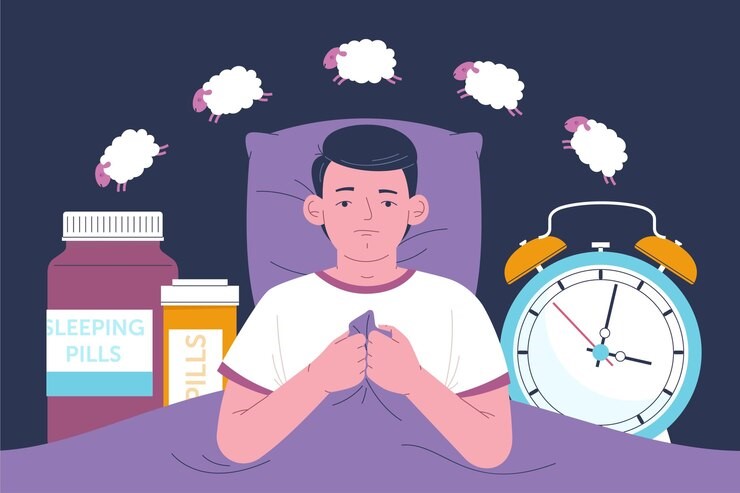
Insomnia, difficulty in falling or staying asleep, is a relatively common concern for Indians. In the course of one year, up to 60% of the population may experience difficulty falling asleep or staying asleep at night. About half of these people have resorted to using a prescribed sleep aid when they are unable to sleep. Due to the prevalent nature of this condition, I see people with sleep disturbances quite frequently in my practice and have extensive experience in treating this troublesome condition.
Sleep is important to our bodies in more ways than one. Although it may seem like our body is just resting, a lot is happening while you are asleep. During deep sleep, the body’s major organs and systems are working on repairing and regenerating. The body needs roughly 7 to 9 hours to complete this process, depending on the person age. Getting less than 6 hours of sleep has been associated with health problems such as memory loss, Stress, anxiety, low confidence, depression, elevated blood pressure, poor concentration, headache, irritability, depressed immune function, low libido, and weight gain. It is important to allow your body to sleep!
For many people, simple lifestyle changes can result in drastic changes in sleep quality. Try making the following changes to your daily routine for a medication and supplement-free way to get back to sleep.
In Naturopathy top 11 lifestyle changes may help in Insomnia:
1. Avoid stimulants, especially caffeine or tea at night.
When consumed in large amounts or close to bedtime, caffeine can disrupt the natural sleep-wake cycle, making it difficult to get a restful night’s sleep. It’s generally recommended to avoid consuming caffeine in the hours leading up to bedtime to minimize the risk of insomnia and to promote better sleep quality.
People who have chronic insomnia may use caffeine to cope with the daytime effects of sleep deprivation, and this practice may worsen the symptoms of insomnia at night. The adverse effects of caffeine on insomnia symptoms can be more severe in people who only use caffeine occasionally compared with those who use it every day.
People with chronic insomnia may find it helpful to try reducing or eliminating caffeine intake or only consuming it early in the day as strategies for improving sleep.
2. Invest in a proper mattress and pillow.
If you are physically uncomfortable and your bed doesn’t adequately support your body, it will be hard to get a sound sleep. Although a high quality mattress doesn’t come cheap, remember that you spend roughly a third of your life in bed and you are investing in your health. I recommend trying out a few different mattresses in store to determine which style you find most comfortable; however, the only true way to determine the best mattress for you is to take it home and try it out for a couple weeks. Make sure to purchase your mattress from a store that allows for exchanges if the mattress you choose doesn’t work out. It is a myth that people with back pain need firm mattresses so is open to mattresses you wouldn’t normally try. My last tip is that more expensive doesn’t always mean better. Only your body will tell you which one works for you.
3. Maintain a bedroom temperature that is slightly cool.
Both a bedroom that is too hot or too cold can impair sleep quality. The ideal temperature for your bedroom is 18 to 21 °C. If the temperature of the bedroom is too high, this can induce nightmares in some people.
4. Establish a consistent bedtime.
The body likes routine. When you establish a sleep and wake routine, the circadian rhythm of cortisol and melatonin release is consistent. If you are having difficulty sleeping, ensure that you are going to bed and waking up at the same time throughout the week, even on weekends. These 7 days sleeping therapy help to improve your sleeping cycle.
5. Exercise.
Studies examining the link between sleep and exercise have consistently shown that people who exercise throughout the day or do more physical works get better sleeps at night. The key is to not exercise too late in the day in order to get the sleep-promoting benefits. Aim for at least 20 minutes of moderate aerobic exercise or swimming in the morning or early evening.
6. Dim the lights in your house an hour before bed.
Melatonin, the sleep hormone made in your brain, is secreted in response to light cues. As it gets darker, melatonin levels start to rise to make us sleepy. This process can be inhibited by bright lighting in your home. To ensure proper melatonin secretion, use dim “night-time” lighting in the last hour before bed. This helps your brain get message that, it’s time to sleep.
7. Avoid napping.
Naps during the day can impede your ability to fall asleep at night. That insomnia, in turn, can cause you to want to nap the following day. Break that insomnia-nap cycle by refraining from napping, even when you feel tired. Bring the energy back into your body by going for a brisk walk in the fresh air. Your body will thank you later when it comes times to sleep at night.
8. No screen time 30 minutes to 2 hours before bed.
Mobile or laptop should be avoided for up to 2 hours before bed, depending on how sensitive you are. The blue light emitted by electronics suppresses melatonin production and negatively interfere with circadian rhythms more strongly than any other wavelength. Phones and other electronics in the bedroom can be disruptive to people for many reasons. The first being that if you get constant notifications, this frequent buzzing or ringing will constantly stir you from sleep. Secondly, the frequencies emitted by the phones have the ability to interfere with the brain’s ability to get a restful sleep. Either keep your phone out of the bedroom or, at the very least, turn it onto airplane mode each night.
9. Do not eat or drink anything in the 2 hours before bed.
It is important to give the body time to finish digesting food and to settle down. Avoiding water prior to bed is especially important for those of us who wake frequently to use the washroom. Many people find that alcohol helps them fall asleep. However, it is also the cause of sleep maintenance insomnia, or frequent wakening through the night. If you have a hard time staying asleep at night, try avoiding alcohol or caffeine or water in the two hours before sleep.
10. Keep your body Detox:
Keeping your body Detox by fasting and dietary habit helps your brain nerves to work in a proper way, its helps your body to get sound sleep.
11. Foot bath at night:
When you go to sleep make this habit to soak your foot in warm water mix one spoon Epson salt, this keep maintain magnesium in your brain which are necessary mineral for active nerves and helps to get stress free sleep, magnesium calm your stress level.
Copyright © Al Shifa Naturopathy Clinic
Developed by : Xeromile