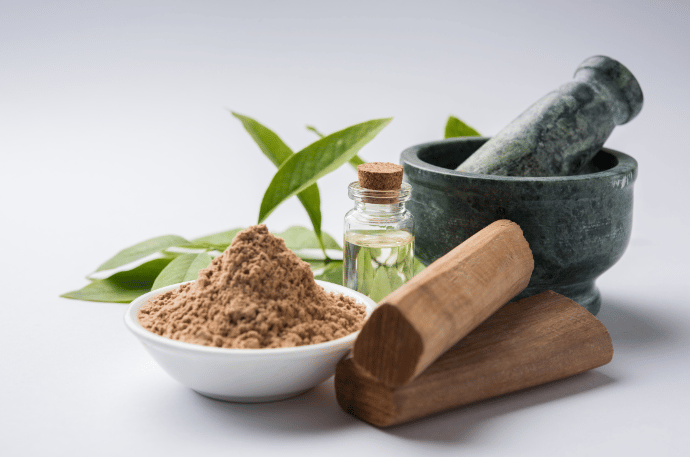
The Power of Herbal Medicine: Nature’s Remedies for Modern Health
Herbal medicine has been used for centuries to treat a wide range of health conditions. In recent years, there has been a resurgence in interest in natural remedies as people seek more holistic approaches to their health. At Al-Shifa Naturopathy Clinic, we incorporate herbal medicine into our naturopathic treatments, leveraging nature’s remedies to support and enhance your well-being. This article delves into the benefits of herbal medicine, its applications, and how you can use it to improve your health.
What is Herbal Medicine?
Herbal medicine involves the use of plant-based substances to promote health and treat various conditions. Herbs can be consumed in multiple forms, including teas, capsules, powders, tinctures, and extracts. They are often used in combination with other natural therapies to create a comprehensive treatment plan.
Benefits of Herbal Medicine
1. Natural Healing: Herbal remedies utilize the healing properties of plants to support the body’s natural processes. Many herbs have been used for centuries and have well-documented effects on health and well-being.
2. Fewer Side Effects: Compared to conventional medications, herbal remedies often have fewer side effects. This makes them a safer option for many people, especially when used under the guidance of a qualified practitioner.
3. Personalized Care: Herbal medicine can be tailored to meet individual needs. By selecting herbs that are specific to a person’s health condition and body type, practitioners can provide personalized care that addresses unique health concerns.
4. Support for Various Health Conditions: Herbal remedies can be used to support a wide range of health issues, from digestive disorders and respiratory ailments to stress and fatigue. They offer a natural alternative for managing and improving health.
Popular Herbs and Their Uses
1. Echinacea: Known for its immune-boosting properties, Echinacea is commonly used to support the body’s defense mechanisms and reduce the severity of colds and infections.
2. Ginger: This versatile herb is often used to aid digestion, reduce nausea, and alleviate inflammation. Ginger can be consumed as a tea or used in cooking.
3. Turmeric: Turmeric contains curcumin, a powerful anti-inflammatory compound. It is often used to support joint health and reduce inflammation in the body.
4. Lavender: Lavender is known for its calming effects and is commonly used to promote relaxation, reduce anxiety, and improve sleep quality. It can be used in aromatherapy or as a tea.
Incorporating Herbal Medicine into Your Routine
Integrating herbal remedies into your daily routine can be a simple and effective way to support your health. Here are a few tips for incorporating herbs into your life:
1. Consult with a Practitioner: Before starting any new herbal regimen, it’s essential to consult with a qualified naturopathic practitioner. They can provide guidance on the appropriate herbs and dosages for your specific needs.
2. Start Slowly: Introduce new herbs gradually and monitor how your body responds. This allows you to gauge the effectiveness of the remedy and make any necessary adjustments.
3. Use Quality Products: Choose high-quality herbal products from reputable sources. This ensures that you are receiving effective and safe remedies.
4. Combine with a Healthy Lifestyle: Herbal medicine works best when combined with a healthy lifestyle. Maintain a balanced diet, exercise regularly, and manage stress to enhance the benefits of herbal remedies.
Herbal medicine offers a natural and effective approach to supporting health and well-being. By harnessing the power of nature’s remedies, you can improve various aspects of your health and achieve a more balanced lifestyle. At Al-Shifa Naturopathy Clinic, we are dedicated to helping you explore the benefits of herbal medicine and incorporate it into your holistic health journey.
Copyright © Al Shifa Naturopathy Clinic
Developed by : Xeromile